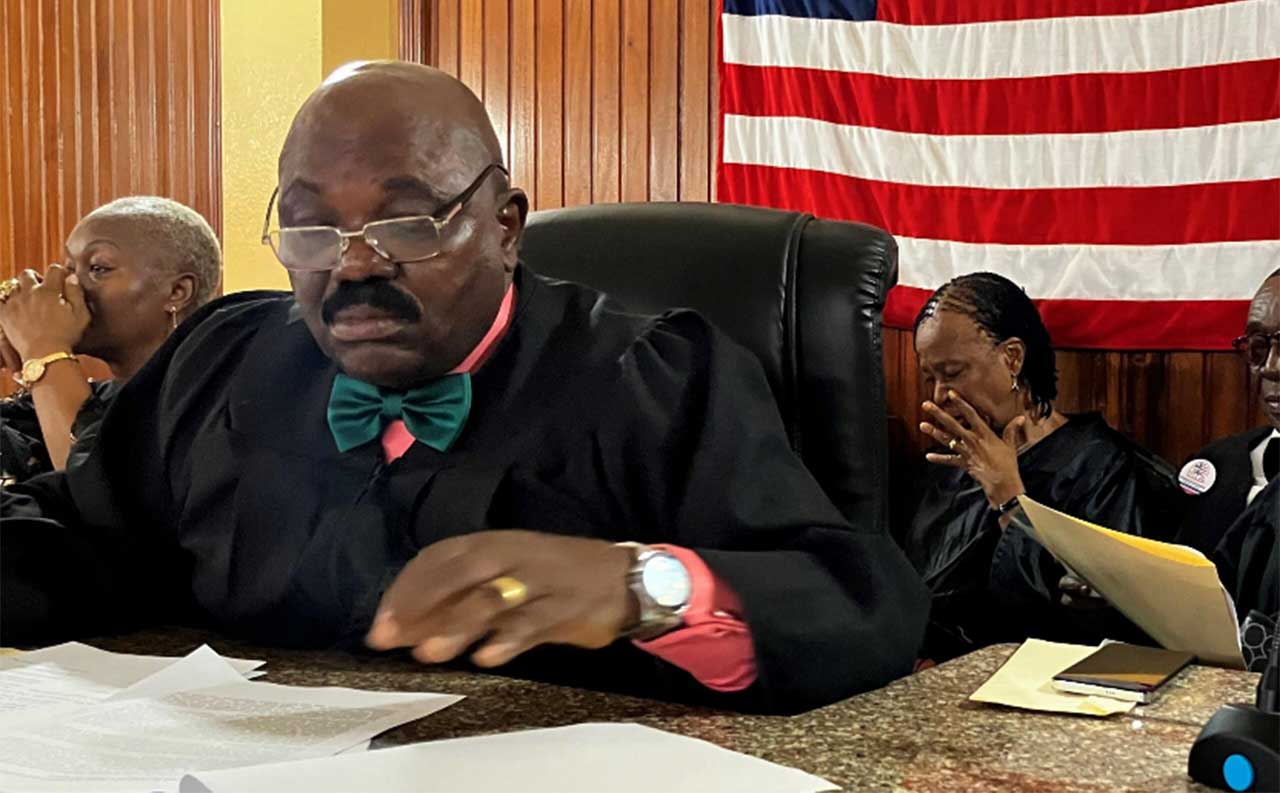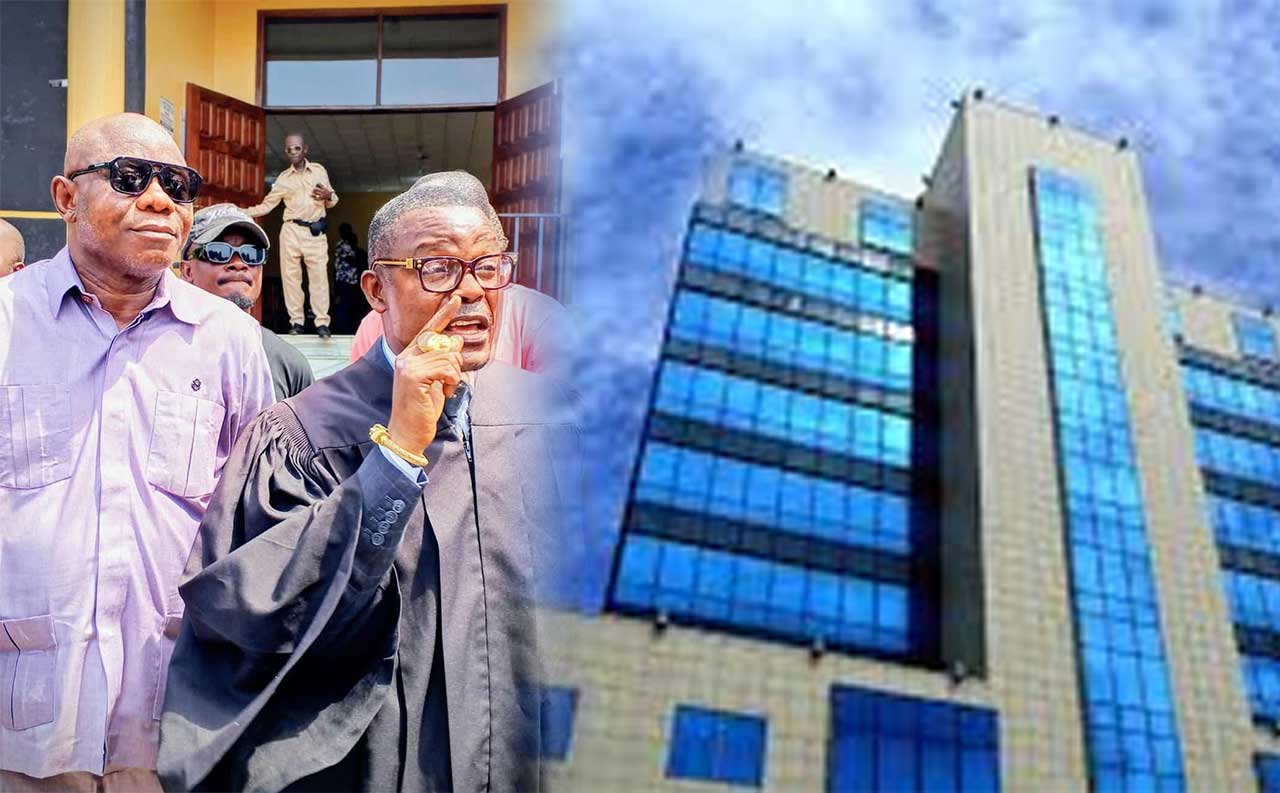
Attention in the ongoing economic sabotage trial at Criminal Assizes “C” has shifted to the prosecution’s subpoenaed witnesses, who are expected to produce original cheque instruments and other financial documents that could directly link former Finance Minister Samuel D. Tweah and his co-defendants to the questioned transactions. This follows Judge Ousman Feika’s order compelling officials of the Central Bank of Liberia (CBL) to appear and present the original financial records.
The strength of the prosecution’s case now depends heavily on the authenticity and completeness of the documents expected on the stand. At the center of the prosecution’s strategy is the anticipated presentation of original return cheques, general ledger entries, and bank statements related to transactions between the CBL and the Financial Intelligence Agency (FIA).
If the subpoenaed officials fully comply, the Judge is expected to receive original cheque instruments and endorsements tied to the disputed transactions, authorization signatures and approval trails, and supporting ledger entries corresponding to each issued or returned cheque.
The production of original documents as opposed to photocopies would significantly strengthen the prosecution’s evidentiary position by helping establish authenticity and reducing concerns about tampering.
However, it remains unclear whether the witnesses will submit complete originals or rely on certified copies. Any reliance on incomplete or secondary documents may prompt renewed objections from the defense.
A key question for prosecutors is whether the documents will merely confirm that the transactions occurred or go further to show decision-making authority and direct involvement by former Finance Minister Tweah and other officials.
For the evidence to be incriminating, it must clearly establish the authorization signatures linking actions to specific individuals, a chain of command in processing the transactions and internal approvals or correspondence showing direct participation. Without such documentation, the defense is expected to argue that the transactions were routine institutional procedures lacking criminal intent.
Any failure by the subpoenaed witnesses to produce essential documents or if their testimonies appear inconsistent could weaken the prosecution’s narrative and bolster earlier defense claims about gaps in the evidence.
With the court ordering CBL officials to testify on Monday, March 30, 2026, expectations are high that their appearance will clarify whether the cheques and related transactions were properly authorized, who approved them, and whether any irregularities occurred.
Their testimony may ultimately determine whether the prosecution can firmly place former Minister Tweah and his co-defendants at the center of the alleged misconduct or whether reasonable doubt will persist.